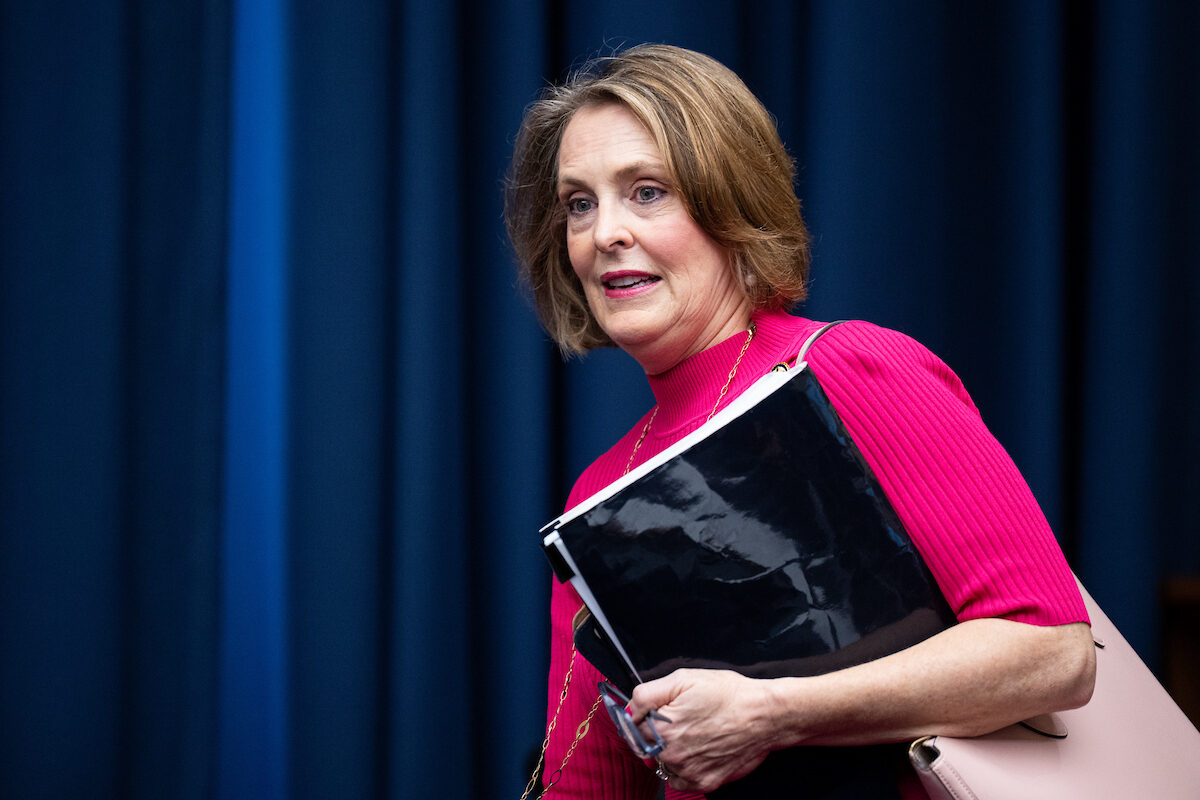
The Congressional Black Caucus Institute is launching a new campaign seeking to turn out low-propensity Black voters and rural voters across the South ahead of the midterm elections. The multimillion-dollar “SO VOTE” initiative, which is debuting Tuesday on National Voter Registration Day, seeks to go beyond traditional ad campaigns to connect with voters. The outreach will include a national tour of historically Black colleges and universities and partnerships with local and ground organizations, including Black fraternities and sororities and groups such as When We All Vote and Black Voters Matter. South Carolina Rep. Jim Clyburn, who is leading the initiative along with Mississippi Rep. Bennie Thompson, former Lousiaian Rep. Cedric L. Richmond and former Housing and Urban Development Secretary Marcia L. Fudge, said Democrats’ message was strong but their messaging “stinks.” “You cannot talk about affordability and not know that’s a message that touches everybody,” Clyburn told reporters Monday on a press call. “Now the question is, what methods are you using to deliver that message?” “Television is a great tool to inform and excite, but it is not a good tool to mobilize,” Clyburn added. “We have to mobilize voters, and that is what we are attempting to do with this effort.” The group is focusing the effort statewide in Georgia and Mississippi, two states with sizable Black populations that are also holding Senate races this year. In the Peach State, Democratic Sen. Jon Ossoff is trying to fend off GOP Rep. Mike Collins as he makes a bid for a second term. In Mississippi, some Democrats believe their nominee, former prosecutor and judge Scott Colom, has an outside shot at unseating Republican incumbent Cindy Hyde-Smith. The SO VOTE campaign is also eyeing several House districts with competitive or potentially competitive races this fall: Alabama’s 2nd District Arkansas’ 2nd Indiana’s 1st Missouri’s 5th Nevada’s 4th North Carolina’s 1st and 11th Ohio’s 9th and 13th Pennsylvania’s 7th and 10th South Carolina’s 1st Tennessee’s 5th and 9th Wisconsin’s 1st and 3rd The list includes seats that were affected by mid-decade redistricting efforts across the country, including in Republican-controlled Southern states following the spring Supreme Court ruling that weakened Section 2 of the Voting Rights Act. Some Democrats see the potential for voters to push back on those moves via the ballot box this fall. Among the targeted seats is Alabama’s 2nd District represented by Democrat Shomari Figures, which, under the state’s new map, shifted from safely blue to a seat that Donald Trump would have carried by 14 points in 2024. Even so, Democrats are optimistic that Figures is in a strong position in his race against state Rep. Rhett Marques. Inside Elections with Nathan L. Gonzales rates the race Likely Republican. Similarly, North Carolina Rep. Don Davis’ battleground district was redrawn last year, before the Supreme Court ruling, to be more favorable to Republicans. Trump would have carried the new version of the seat by 12 points in 2024, and Inside Elections rates Davis’ race against GOP opponent Laurie Buckhout as Lean Republican. A Congressional Black Caucus Institute staffer said the group would be using social listening tools to understand what rural and Black voters are talking about; and online and digital relational organizing tools that would allow the SO VOTE campaign to share information such as polling locations through WhatsApp and social media platforms. Richmond, the former Lousiaina congressman who led the White House Office of Public Engagement under Joe Biden, said the new effort aims to increase the pool of likely voters that campaigns can reach out to. “We’re going to do some old-fashioned things, and we’re going to do some very new and innovative things to make sure that we’re communicating with those people that really never get communicated to,” he said on Monday’s press call. The CBC Institute hopes the effort will extend beyond the midterm elections. “What is learned about what works and why it works will be used to develop a sharper playbook for reaching Black voters in 2028,” the group said in a news release.