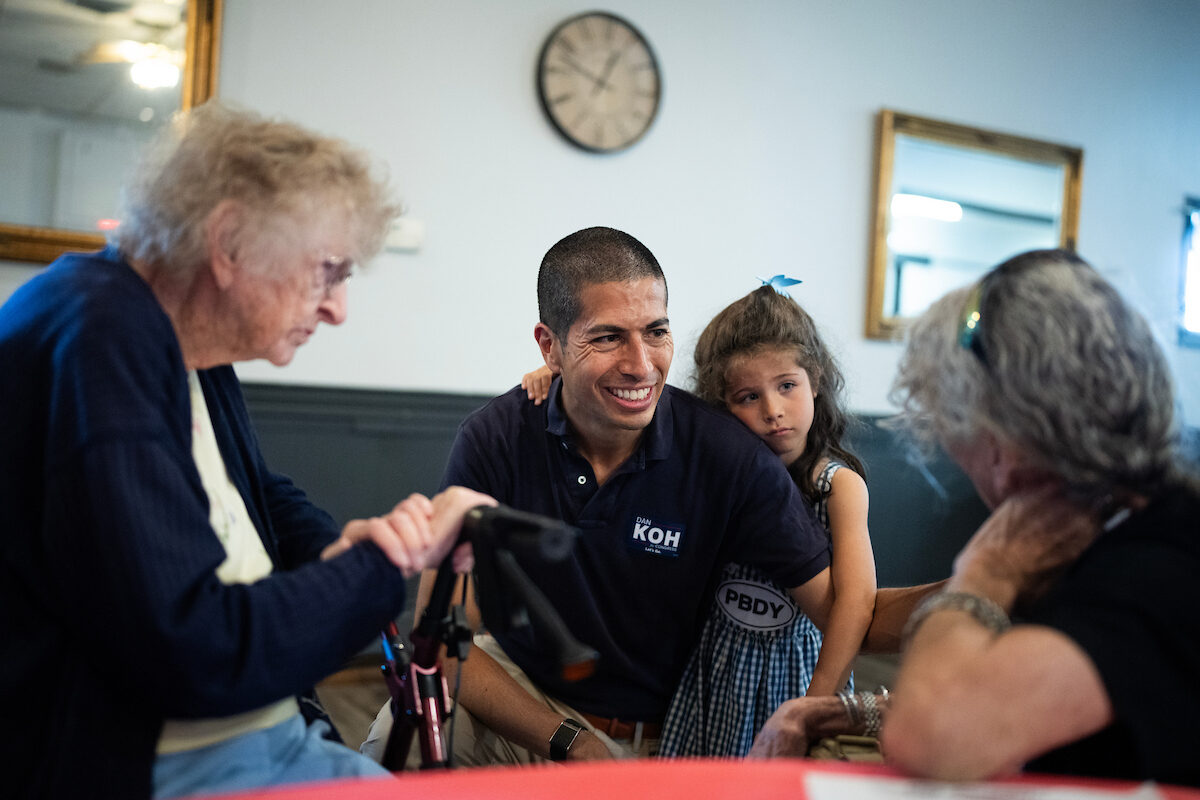
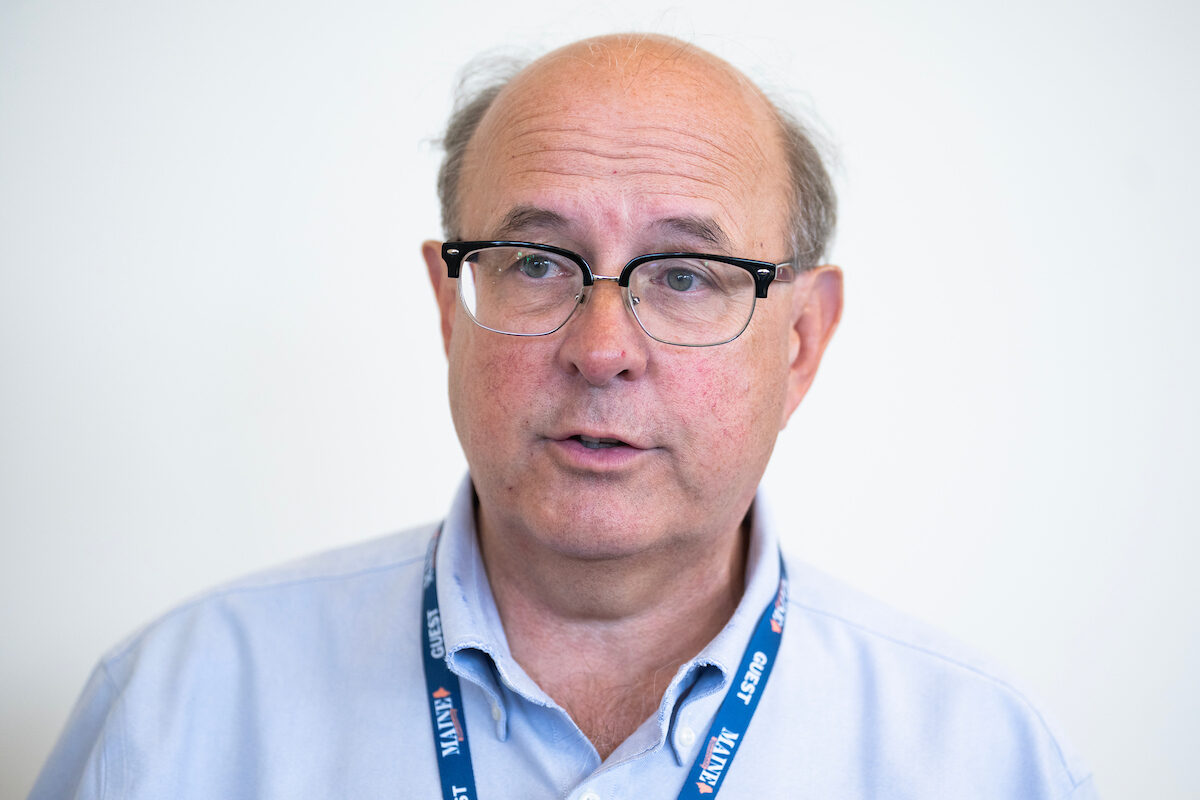
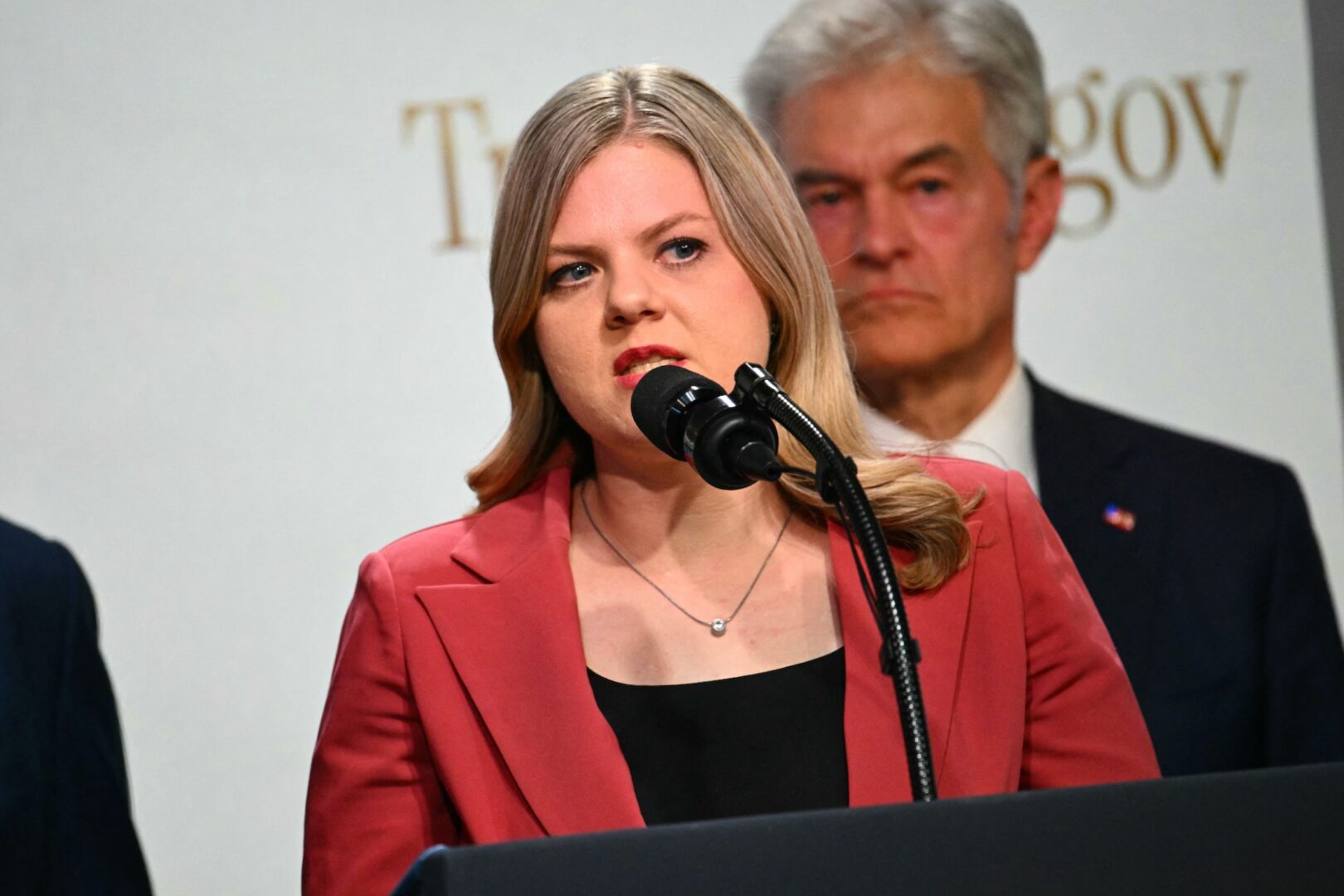
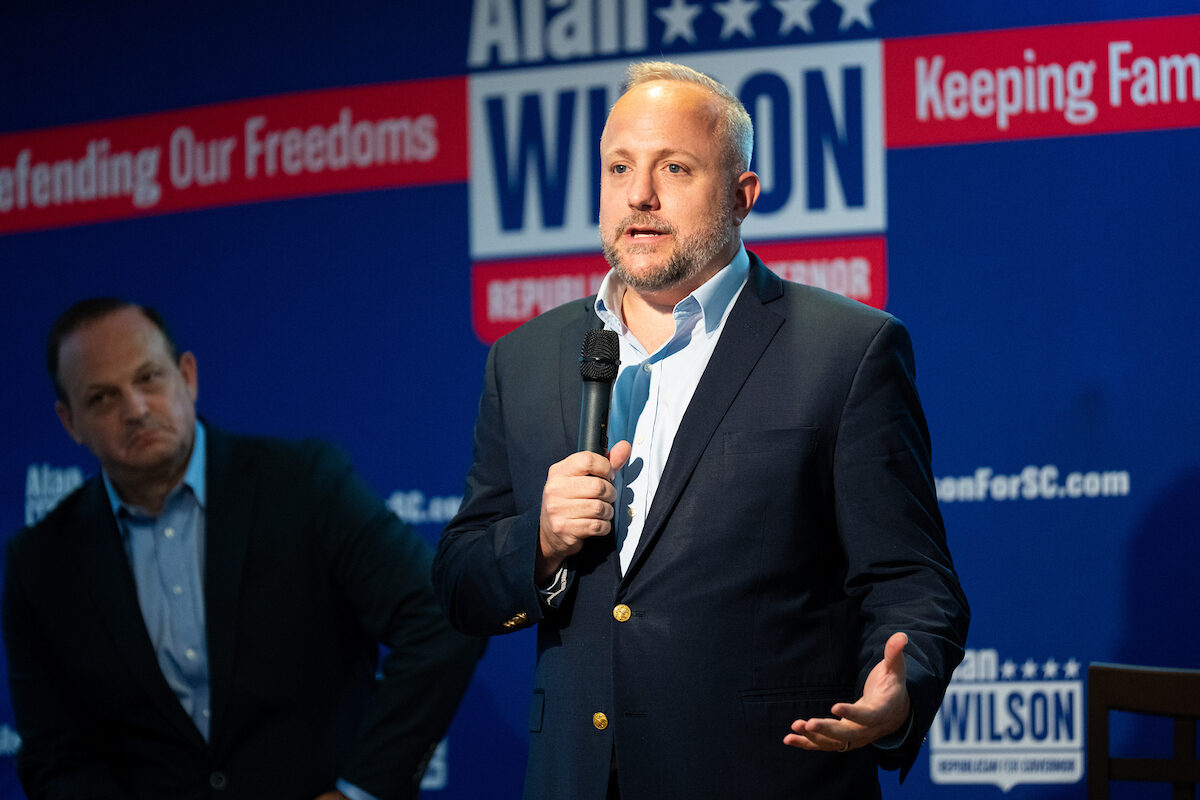
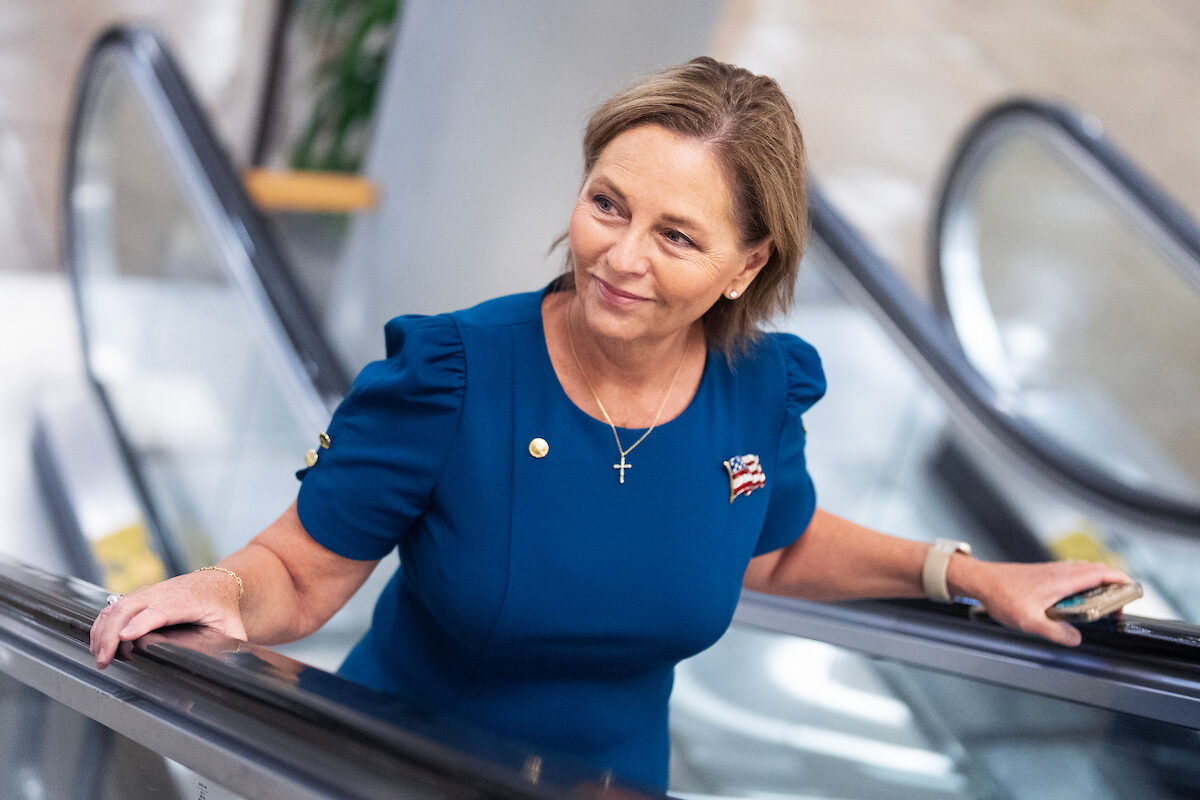
PEABODY, Mass. — The 2026 midterm primary cycle has been a year of tests — both ideological and generational — for Democrats across the nation. A race for a House seat north of Boston poses another question: Are voters looking for a candidate with powerful connections and a raft of experience or are they seeking a Washington outsider who promises to take on the party establishment? At a recent forum here for the Democrats vying for Massachusetts’ 6th District, anti-incumbent fervor was on full display. “We keep electing D.C. insiders … playing by the old playbook,” said state Rep. Tram Nguyen. “People are fed up with the status quo,’’ asserted another candidate, fintech executive John Beccia. “The Democratic Party is broken, figuratively and financially,’’ offered a third, former state Rep. Jamie Belsito. But there’s a twist to this contest: Unlike other recent primaries in blue districts, where entrenched Democrats have lost to Washington outsiders, there’s no incumbent on the Sept. 1 ballot. The seat is open because six-term Rep. Seth Moulton opted for a Senate run. Enter Dan Koh, whom most of the field is treating as the de facto incumbent — even though the only elective office he’s held was a single term on the Andover Select Board. He also ran for the nearby 3rd District in 2018, narrowly losing the Democratic nomination to Lori Trahan. But Koh has deep ties to the Democratic Party establishment, having served as a senior adviser to former President Joe Biden and as an aide to former Labor Secretary and Boston Mayor Martin J. Walsh. On the campaign trail, he says his experience in Washington makes him a battle-tested advocate who will aggressively push back against the Trump administration. “People want fighters against this president who are going to hold him accountable,’’ he said in an interview before the Peabody forum. “I've been out there using the experience I had in the Biden White House, working in the Cabinet.” Massachusetts state Rep. Tram Nguyen and former congressional aide Mariah Lancaster attend the Aug. 15 event in Peabody, Mass., for Democratic candidates running for the state's 6th District. (Tom Williams/CQ Roll Call) A Democratic divide Massachusetts’ 6th District hugs the Atlantic coast in the state’s northeastern corner and includes old-money towns, busy suburbs and working-class enclaves. Four days before the Peabody forum, The Boston Globe declared that the historic North Shore city, once a hub of leather manufacturing, was home to the nation’s hottest housing market. Six Democrats are competing for the nomination to succeed Moulton in what is the Bay State’s only open seat. Koh, Beccia and Nguyen have been the leading fundraisers. Other hopefuls include software engineer Bethany Andres-Beck and former State Department and congressional aide Mariah Lancaster. Kamala Harris carried the seat by 21 points in 2024, according to calculation by Inside Elections with Nathan L. Gonzales, so whoever wins the primary is likely to prevail in November over Republican Army veteran Micah Jones. Koh has the backing of two pillars of Democratic politics: Biden and Harris, both of whom appear on his behalf in a new ad. But Biden’s protracted departure from the 2024 presidential race following his flailing debate performance — and Harris’ subsequent loss to Trump — has frustrated many grassroots Democrats. The starring role that the two onetime standard-bearers are playing in Koh’s campaign risks serving as an uncomfortable reminder of a painful episode for the party. [Roll Call on the Road: New England] Koh said Biden’s endorsement — one of just a few that the former president has made this cycle — still carries weight with Democratic primary voters. “Plenty of people have their differences with the president,’’ he said. “But they remember what it was like when there was a president that they actually could look up to and admire, one that honored the presidency.” Others aren’t so sure. “I would not personally put Biden’s endorsement on my webpage,” said Andres-Beck. Koh’s supporters, though, say his Washington connections are assets that would help him deliver for the district. “We need a congressman who knows the lay of the land and can get things done,’’ said John F. Tierney, a Democrat who held the seat for nearly two decades before losing to Moulton in a 2014 primary. “Dan is very capable of getting around in Washington and working with everybody there.” Former Massachusetts state Rep. Jamie Belsito greets attendees at the Aug. 15 candidate forum in Peabody, Mass., for Democratic contenders for the 6th District. (Tom Williams/CQ Roll Call) For some voters, knowing your way around Washington is a liability, not an advantage. “In the Democratic Party, we consistently mistake a fancy resume for real experience,’’ said Tristan R. Brown, a data privacy attorney from Peabody who attended the forum. “These things are not the same, and if we want to be a party of working-class people, we need working-class candidates who can actually speak from experience.” Brown, 41, said he’s backing Belsito because of her blue-collar roots and progressive policies: “We’ve got to change the culture.’’ Nguyen has also emphasized her hardscrabble upbringing as a refugee from Vietnam who grew up in public housing and “knows what it’s like to stand in a food pantry line.” “People are feeling as though elected officials are detached from their lives,’’ she said at the Peabody forum. “That’s why we need new voices and fresh perspectives and people with lived experience going to Congress.” The race heats up In the final sprint before the primary, the race has grown increasingly heated. Koh, who brought in $4.5 million through June 30, has faced attacks from Beccia, who is largely self-funding his race. Businessman John Beccia speaks at the Aug. 15 Democratic candidate forum in Peabody, Mass., for 6th District contenders. (Tom Williams/CQ Roll Call) Outside groups are also spending: Super PACs backing Nguyen and Koh have flooded mailboxes with attack ads. At the candidates forum, held in a Veterans of Foreign Wars hall decorated with red, white and blue balloons, attacks on Trump were interspersed with lacing criticism of the Democratic Party. “I know that my faith in the Democratic Party is shaken, and I suspect in this room I am not alone in that,” said Lancaster, “because we know that even as Democrats, we have not been delivering for working families.” Democrats, Belsito said, “are not taking care of people, we are only taking care of special interests and people are done.” Still, some voters believe the differences among the field, while significant, are a sign of the party’s strength. “We have six excellent candidates,’’ said Mary Duff Henry, a union activist from Peabody who had yet to make up her mind.. “We’ll have excellent representation no matter who wins.” Engineer Beth Andres-Beck, a Democratic candidate for Massachusetts’ 6th District, attends the Aug. 15 event in Peabody, Mass. (Tom Williams/CQ Roll Call)